
Ophthalmology Science
Safety and Efficacy of Orally Administered SJP-0008 in Central Retinal Artery Occlusion: A Phase IIa Randomized Clinical Trial Results

It works by inhibiting calpain that becomes overactivated during ischemic injury and contributes to irreversible retinal cell death.
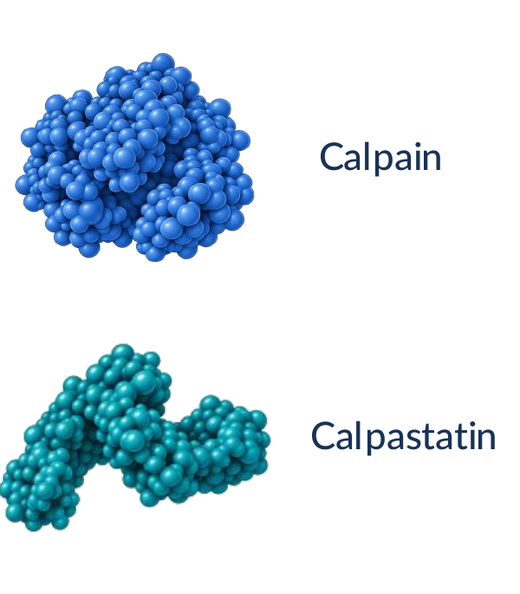
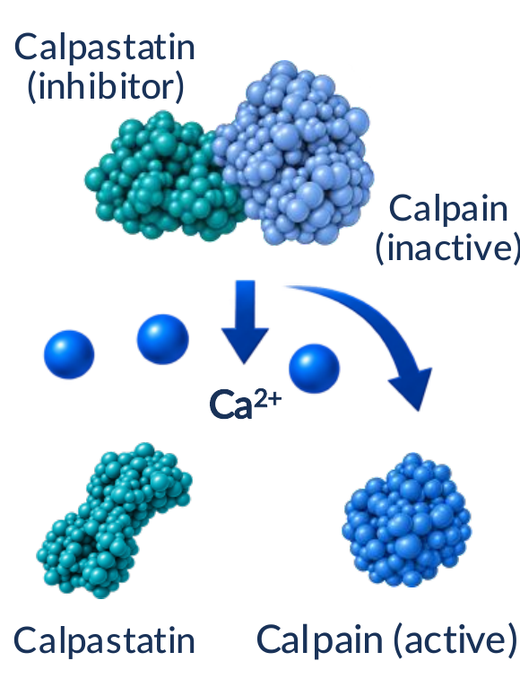
Conditions such as central retinal artery occlusion (CRAO) and non-arteritic anterior ischemic optic neuropathy (NAION) occur when blood flow to the retina or optic nerve is reduced or blocked, starving cells of oxygen and nutrients. This disruption causes calcium to accumulate inside retinal cells, triggering disassociation of calpain from calpastatin and excessive calpain activity.
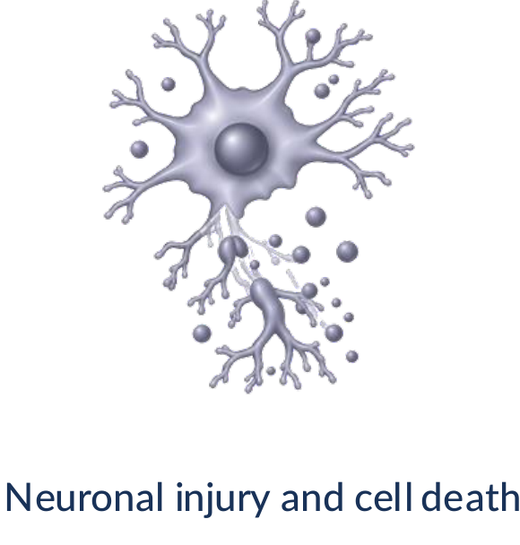
Once overactivated, calpain breaks down essential cellular proteins and damages normal cell function, eventually causing retinal cell death and permanent vision loss.
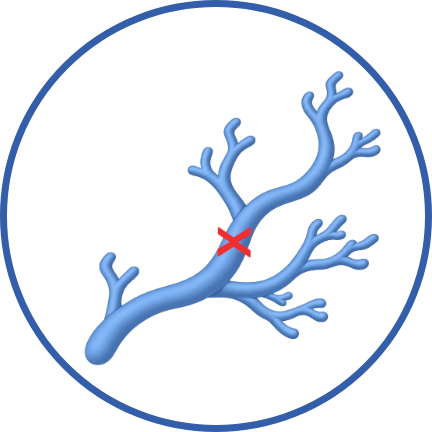
Blood flow stops
Central retinal artery becomes occluded
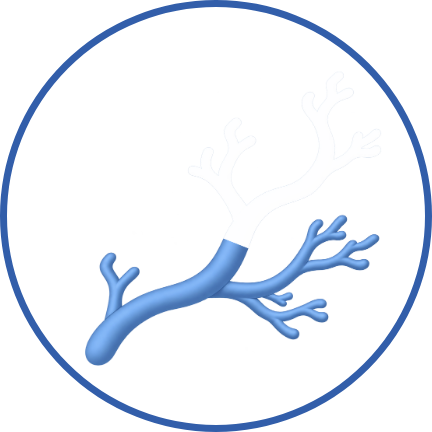
Retina becomes ischemic
Starved of oxygen and nutrients

Irreversible vision loss begins
Millions of retinal cells die within minutes

Time is critical
The opportunity to save vision narrows rapidly
Calpains are intracellular calcium-dependent enzymes expressed in neurons that help regulate cellular functions and protein breakdown. The protein calpastatin endogenously inhibits calpain and serves as a natural brake that prevents excessive calpain activity.
What are Calpains?
How Ischemia Activates Calpains
Ischemia

Energy Failure
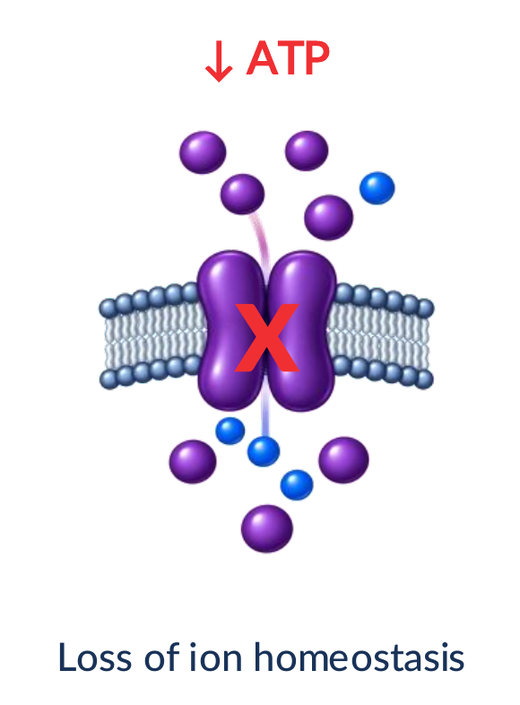
Calcium Overload
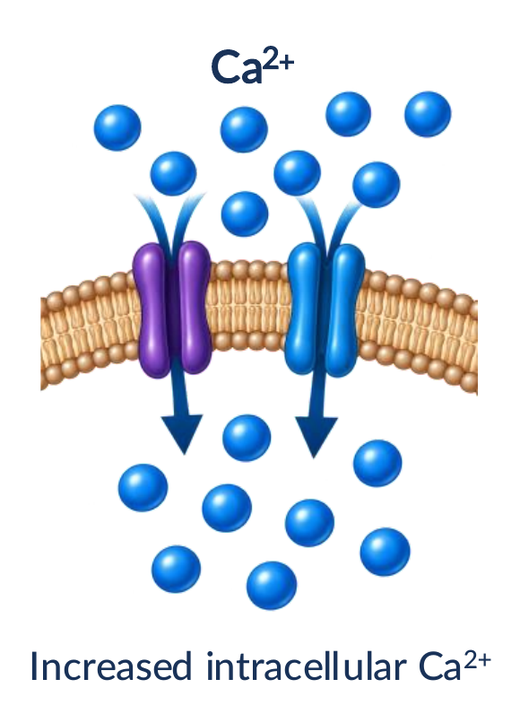
Calpain Activation
Proteolysis of Substrates & Cell Death
KIO-401 is a neuroprotective oral small molecule under development for acute retinal ischemia caused by a sudden loss of blood flow to the eye. It works by inhibiting overactive calpain during ischemic injury, which contributes to irreversible retinal cell death.
KIO-401 Inhibits Activated Calpain to Help Protect Retinal Cells
Activated Calpain
(after ischemia)
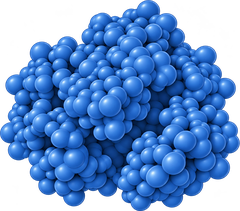
Active Calpain
(after ischemia)
KIO-401
(calpain inhibitor)
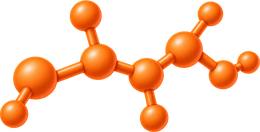
KIO-401
(calpain inhibitor)
KIO-401 Binds and Inhibits Activated Calpain
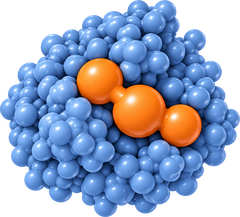
KIO-401 bound to calpain
(inhibited)
Prevents Downstream
Protein Breakdown
Substrate protein
(e.g., spectrin, filamin)
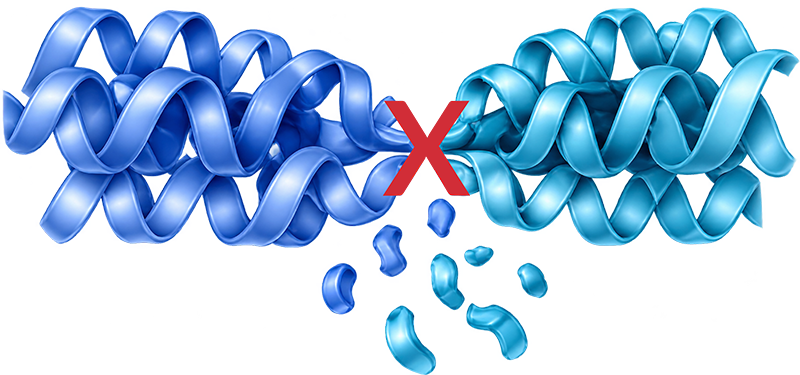
Prevents downstream
protein breakdown
Helps Protect Retinal Cells
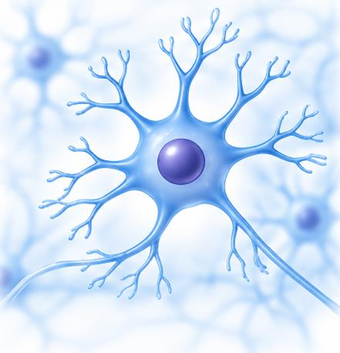
Helps protect retinal cells
Preserves cell function and vision
A Phase 3 clinical development program is being planned to evaluate KIO-401 for the treatment of CRAO and a Phase 2b clinical trial is planned in NAION — two acute, rare ophthalmic conditions for which there are currently no approved therapies. Often described as an “acute stroke of the eye,” CRAO occurs when retinal blood flow is abruptly interrupted, while NAION is caused by reduced blood flow to the optic nerve; both conditions resulting in sudden vision loss.
Additional applications for KIO-401 and next-generation calpain inhibitors include vision-affecting glaucoma and acute and chronic neurodegenerative diseases.
Absolute Patient Incidence for Two Acute Ischemic Ophthalmic Conditions
CRAO
Central Retinal Artery Occlusion
Acute Retinal Ischemia
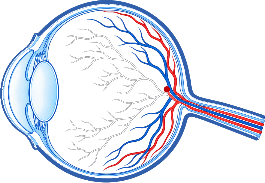

NAION
Non-arteritic Anterior Ischemic Optic Neuropathy
Ischemic Optic Nerve Injury
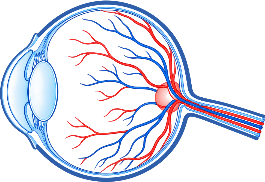
Illustrative annual incidence estimates based on prevalence rates applied to U.S. and global population assumptions.
CRAO Source: Mac Grory B, et al. Stroke. 2021;52:e282–e294.
NAION Source: Hattenhauer MG, et al. PubMed 38358828; incidence estimate 3.89/100,000.
Ophthalmology Science
Safety and Efficacy of Orally Administered SJP-0008 in Central Retinal Artery Occlusion: A Phase IIa Randomized Clinical Trial Results
Stroke
Management of Central Retinal Artery Occlusion: A Scientific Statement From the American Heart Association
Science-driven. Patient-focused. Lasting impact.